We stayed in an old farmhouse while working at the Muleshoe National Wildlife Refuge, located in the panhandle of Texas. Muleshoe is the oldest refuge in the state, founded in 1935. As you can see, the house was loaded with charm and they even installed at new washer and dryer upon our arrival. We really enjoyed the house, the peace and quiet of staying on the refuge, the entire staff, and the highlight of our stay was the sandhill cranes, as you will see below - we could not take enough photos of them all!
This was Jenny's bedroom. I slept with the window open as often as the temps allowed, so that I could hear the cranes in the evening and in the morning. What a wonderful way to wake up!
This was Oliver's room. It was a treat to each have our own space. We both slept so soundly during our visit and really appreciated our housing and hosts at Muleshoe.
This is the living room space. We spent most evenings in here, watching games on the internet, after our dinner and after our nightly visit to one of the refuge lakes to watch the incoming cranes.
The living room connected to the kitchen through this little window.
This is the dining room of the house - a room that has been set up as a conference room for the refuge to use for meetings. We used it as our work space. The refuge HQ was only about 50 yards out the front door so it was easy for us to move files back and forth.
More images from Jenny's room - I loved all of the older furniture and wood floors.
Here is the start of our slew of photos of the sandhill cranes. They would fly in every night at dusk to "roost" overnight on one of the refuge lakes. They flew in by the thousands and make a very distinct sound that was very loud because there were so many of them. Believe-it-or-not, we have even more photos than what is posted on this blog. The cranes are forever a significant part of our good memories from our visit to Muleshoe.
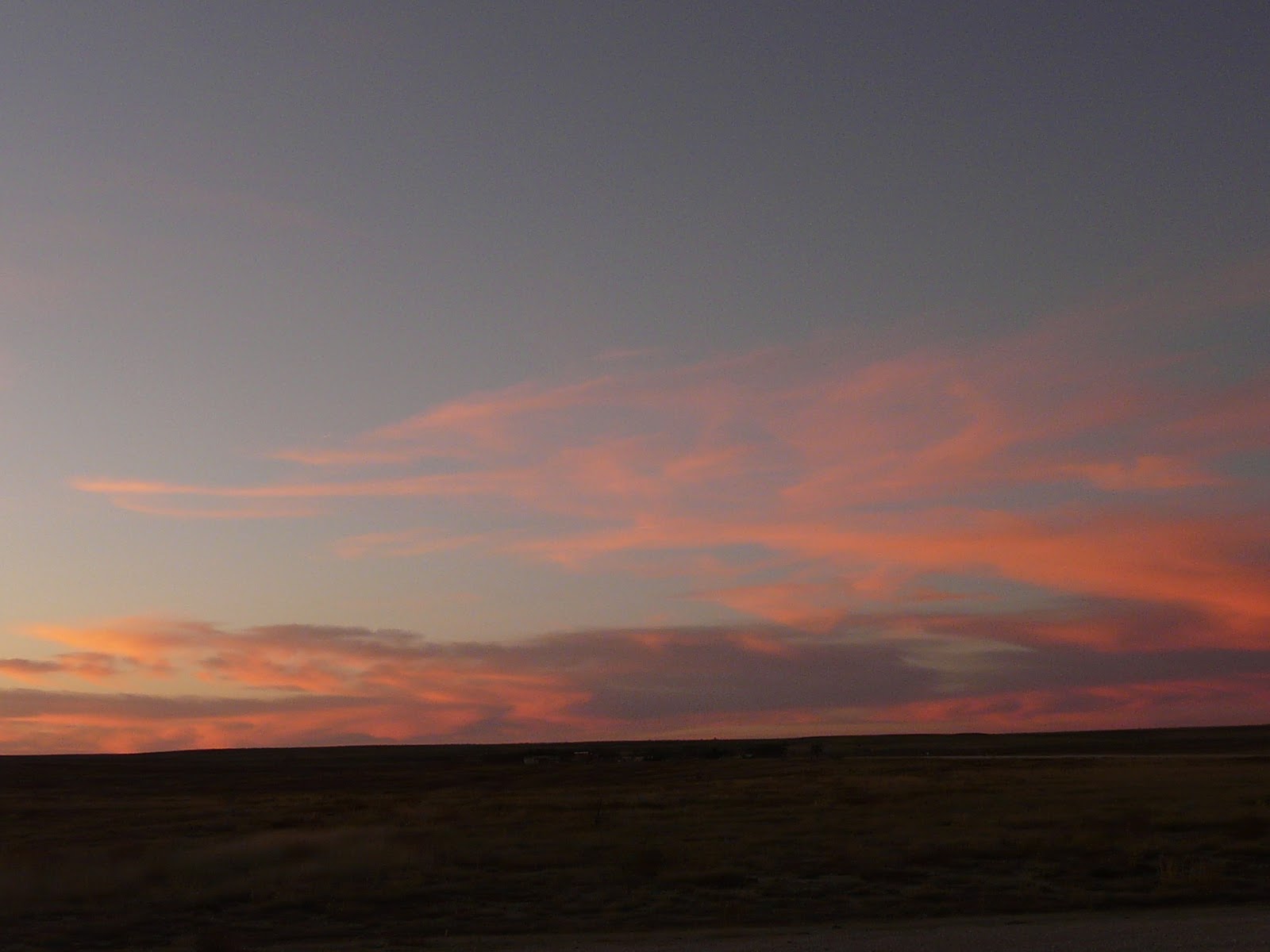
Muleshoe is about 80 square miles in the Texas panhandle - a part of the state that is very flat. This landscape permitted dramatic sunsets and sunrises. We saw many of the sunsets during our visits to watch the cranes come in to roost each night.
Watching the cranes fly in each night was some of the best entertainment we have experienced in our entire lives. It was nature's show and it was therefore slightly different every night.
Here is Oliver outside of the farmhouse.
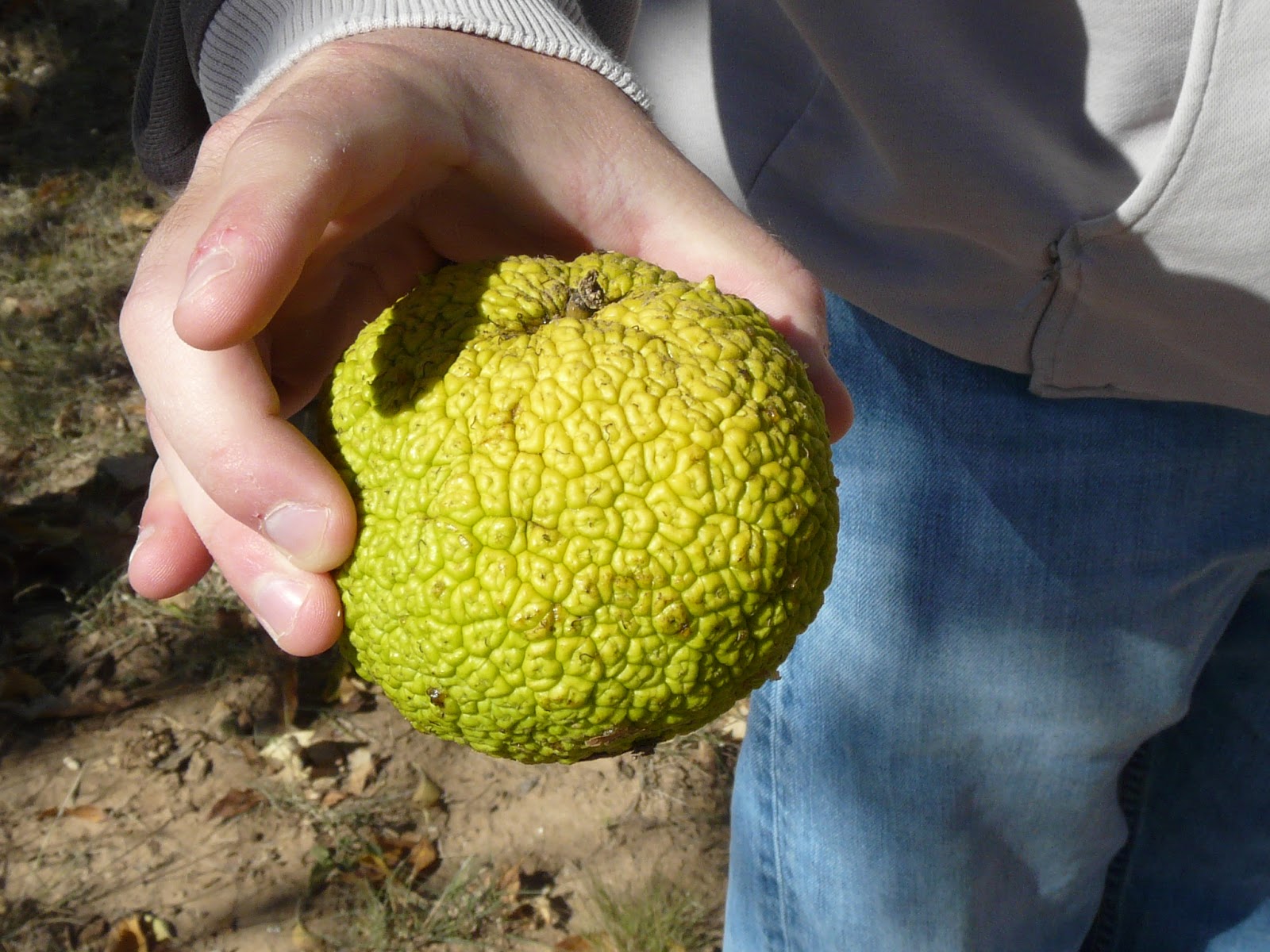
This is a grove of osange orange trees, just outside of the farmhouse. Oliver is holding one of the unusual berries that these trees generate. While we were in OKC a few weeks after our visit to Muleshoe, we were in a fancy store that attached red ribbons to these berries and were selling them as Christmas ornaments! What a good idea.
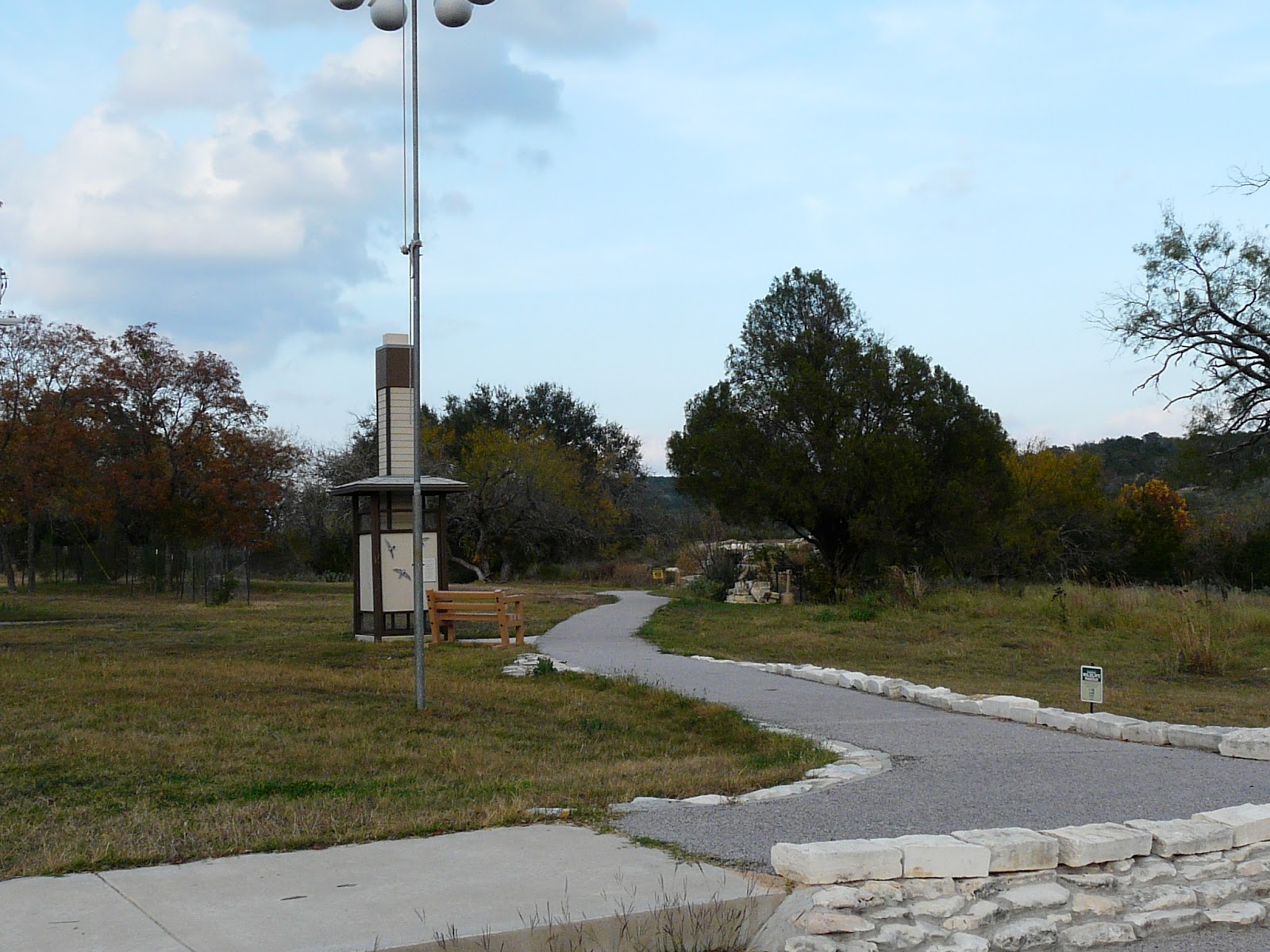
We enjoyed taking breaks from our work by taking a walk on a nearby nature trail.
More of the osange orange trees.
The access road to the farmhouse.
An informational kiosk at one of the lakes where the cranes roost. Muleshoe was established to protect these spaces for the cranes and other migratory birds.
If you look closely at these this photo, you will see a prairie dog, another Muleshoe resident.

Some of the unique and appropriate pieces hanging on the walls at the farmhouse. The poem above was so perfect for the house and its location. I re-wrote it in my journal.
Some of the sights from the back roads of the refuge.
See the cave in the above photo? The refuge housed coyotes that we could also hear at night. The coyotes prey on the cranes and we would sometimes hear complete chaos during the night - the cranes sqwuaking loudly - because they were being disturbed by some type of predator, like a coyote.
Lael's was our favorite restaurant in the town of Muleshoe, located about 20 miles from the refuge. We ate there on our visits to town for food, gas and car washes! The weather and area is very dry and there are dirt roads all through the refuge. This contributed to a dusty car that we tried to keep clean.
This is the historic sign for Muleshoe, located at the entrance to the refuge.
Another pic of the farmhouse.